

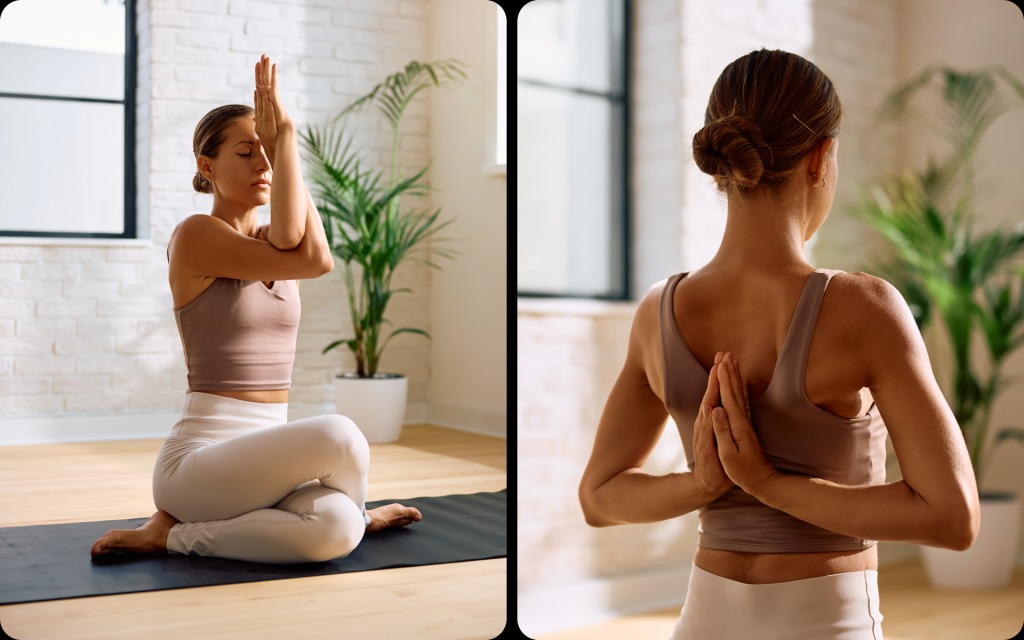
Stress and emotional trauma are becoming more common than ever. Whether it’s due to a busy work schedule, relationship issues, past experiences, or even just the pressure of daily life, many people are carrying hidden tension in their minds and bodies. While traditional therapy, exercise, and meditation all help, a lesser-known yet powerful approach is Somatic Yoga.
In this article, we’ll explore what somatic yoga is, how it works, and how it can be a powerful tool for releasing stress and trauma.
What Is Somatic Yoga?
Somatic Yoga is a gentle form of movement that combines traditional yoga poses with somatic practices meaning it focuses on the body’s internal experience rather than just physical movement. The word “somatic” comes from the Greek word “soma”, meaning the living body. Somatic Yoga is about tuning into how the body feels and moves from the inside out.
Unlike other types of yoga that may focus more on flexibility or strength, Somatic Yoga is slow, mindful, and deeply connected to your body’s sensations. It encourages you to move with awareness, breathe deeply, and notice where tension is stored.
How Stress and Trauma Affect the Body
Before understanding how Somatic Yoga helps, it’s important to know how stress and trauma affect the body. When we experience stress or trauma, the body often goes into “fight, flight, or freeze” mode. This response is natural, but if not released, it can leave behind physical tension, emotional numbness, or chronic pain.
Trauma, especially, can get stored in the nervous system and muscles. Over time, this can lead to symptoms like:
- Muscle tightness
- Anxiety or depression
- Digestive problems
- Fatigue
- Sleep disturbances
- Difficulty relaxing
Traditional treatments may not always reach these deep-rooted patterns, but Somatic Yoga does.
Benefits of Somatic Yoga for Stress and Trauma
Somatic Yoga helps release trauma and stress through gentle, mindful movement and body awareness. Here are some of the key benefits:
1. Releases Muscle Tension
Many people carry unconscious tension in the neck, shoulders, hips, and back. Somatic Yoga uses slow movements and awareness to help these muscles soften and release naturally without forcing or stretching too hard.
2. Calms the Nervous System
Somatic Yoga activates the parasympathetic nervous system, also known as the rest and digest system. This helps calm the mind, reduce anxiety, and create a sense of safety in the body.
3. Increases Body Awareness
When you learn to notice subtle sensations like tightness, warmth, or even discomfort you become more connected to your body. This awareness helps you identify where stress is held and how to gently let it go.
4. Helps Process Emotional Pain
Trauma is not just a mental experience it’s stored in the body too. Somatic Yoga offers a safe space to feel and release emotions that may have been buried for years.
5. Improves Breathing
Breath is deeply connected to emotion. Stress often leads to shallow breathing, but Somatic Yoga teaches you to breathe fully and freely again, helping release emotional blockages.
What to Expect in a Somatic Yoga Session
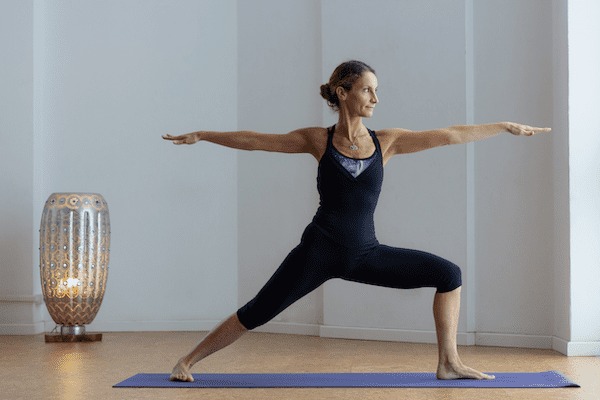
If you’re new to Somatic Yoga, here’s what a typical session may look like:
- Gentle Movements: You’ll be guided through slow, mindful exercises, often lying on the floor or seated.
- Internal Focus: You’ll be asked to notice how your body feels where there’s tension, movement, or stillness.
- No Forcing: Unlike other workouts, there’s no pushing or overstretching. The goal is to explore movement in a relaxed way.
- Breath Awareness: You’ll be encouraged to connect your breath with your movement, helping to calm the nervous system.
- Deep Rest: Each session often ends with a resting pose or meditation to help your body absorb the changes.
Simple Somatic Yoga Practices to Try at Home
You don’t need a yoga studio to start. Here are a few simple somatic yoga exercises you can try at home:
1. Body Scan Breathing
Lie down comfortably. Close your eyes and take a few deep breaths. Slowly scan your body from head to toe. Notice any areas of tightness or tension. As you breathe out, imagine those areas softening.
2. Somatic Cat-Cow
Move slowly between cat and cow poses, but focus on how your spine feels. Move in a way that feels good rather than just following the shape of the pose.
3. Pelvic Tilts
Lie on your back with knees bent. Gently tilt your pelvis forward and back, slowly and with awareness. Feel how your lower back and hips respond to each movement.
4. Pandiculation
This is a somatic practice that mimics how animals stretch. Slowly contract a muscle group (like your shoulders), hold briefly, and then release with awareness. This helps reset muscle tension naturally.
Is Somatic Yoga for Everyone?
Yes! Somatic Yoga is suitable for people of all ages, body types, and fitness levels. Because it’s gentle and mindful, it’s especially helpful for those:
- Recovering from trauma or emotional pain
- Living with chronic pain or illness
- Experiencing high levels of stress or burnout
- Wanting to reconnect with their bodies in a safe, healing way
You don’t need to be flexible or experienced in yoga. All you need is a willingness to listen to your body.
Final Thoughts
Somatic Yoga offers more than just physical relief it’s a gentle path to healing, self-awareness, and emotional freedom. By learning to move slowly, breathe deeply, and connect with your body’s wisdom, you can begin to release the layers of stress and trauma that may be holding you back.
Whether you’re dealing with anxiety, past emotional pain, or just need a space to slow down, Somatic Yoga can support your healing journey. It reminds us that healing doesn’t always come from doing more it often comes from doing less and listening more.