

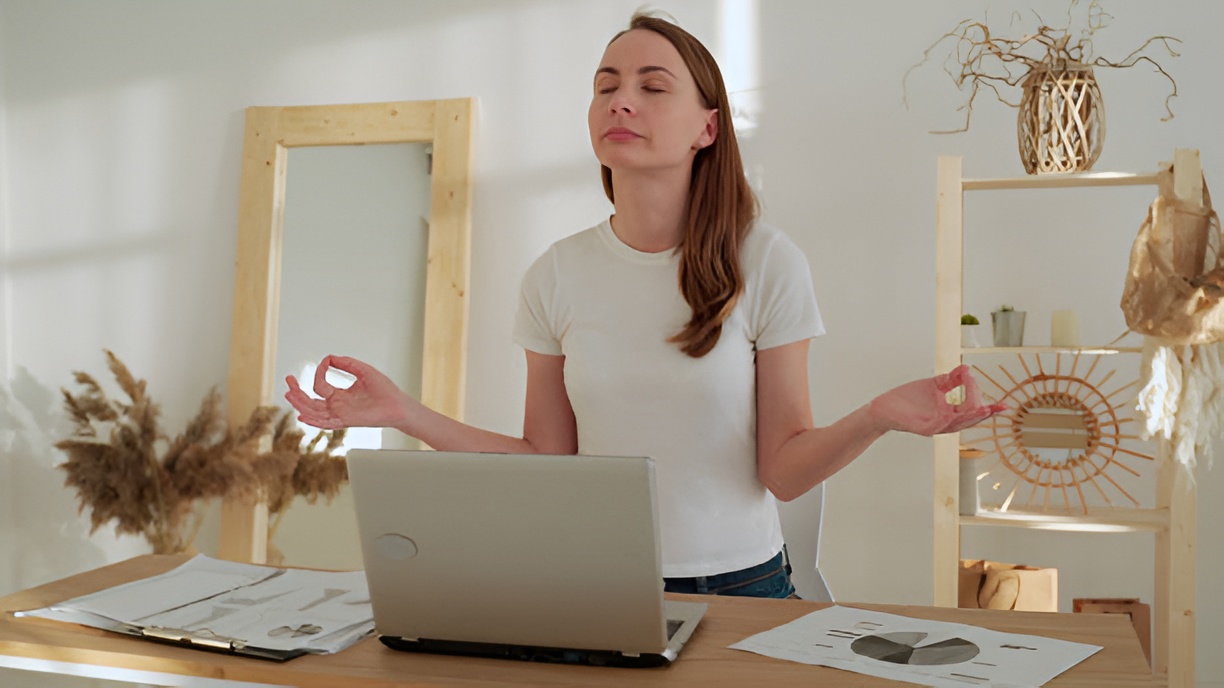
In today’s fast-paced world, stress has become a common challenge for people of all ages. Long work hours, family responsibilities, and constant digital distractions can leave individuals feeling anxious and drained. Learning stress relief techniques at home is essential for maintaining mental clarity, emotional balance, and overall well-being. These techniques allow anyone to manage stress without leaving the comfort of their home, making them both convenient and practical.
Stress is more than just a feeling of tension—it affects the body, mind, and even physical health. Chronic stress can increase blood pressure, disrupt sleep, reduce immunity, and impact mental health. Incorporating effective stress relief techniques at home can help mitigate these risks and promote a calmer, more focused lifestyle.
Understanding Stress and Its Impact
Before exploring stress relief techniques at home, it’s important to understand what stress is and how it affects the body. Stress triggers a “fight or flight” response, releasing hormones like cortisol and adrenaline. While short-term stress can motivate and enhance performance, prolonged stress can lead to fatigue, anxiety, and other health issues.
Recognizing the signs of stress—such as irritability, sleep disturbances, muscle tension, or difficulty concentrating—helps individuals implement the right strategies. Knowing how to manage stress effectively at home empowers people to regain control over their mental and physical health.
Why Home-Based Stress Relief Works
Home-based stress relief offers flexibility and accessibility. Unlike external methods like attending therapy or spa sessions, these techniques can be integrated into daily routines. Practicing stress relief techniques at home allows individuals to manage stress consistently, which is key to achieving lasting benefits.
These methods often focus on natural approaches such as breathing exercises, meditation, physical activity, and mindfulness. When used regularly, they improve mood, increase resilience, and support overall wellness.
Breathing Exercises for Calmness
One of the most effective stress relief techniques at home is controlled breathing. Deep breathing activates the parasympathetic nervous system, which helps reduce stress hormones and promotes relaxation.
Practicing deep breathing for just a few minutes daily can lower heart rate, ease tension, and improve focus. Techniques like diaphragmatic breathing, box breathing, and 4-7-8 breathing are particularly effective for calming the mind. Incorporating these exercises into a morning routine or during stressful moments can have immediate benefits.
Step-by-Step Breathing Practice
To perform diaphragmatic breathing, sit or lie down comfortably and place a hand on your abdomen. Inhale slowly through your nose, allowing your abdomen to rise. Hold the breath for a few seconds and exhale slowly through your mouth. Repeating this for 5–10 minutes can significantly reduce tension and promote relaxation.
Mindfulness and Meditation
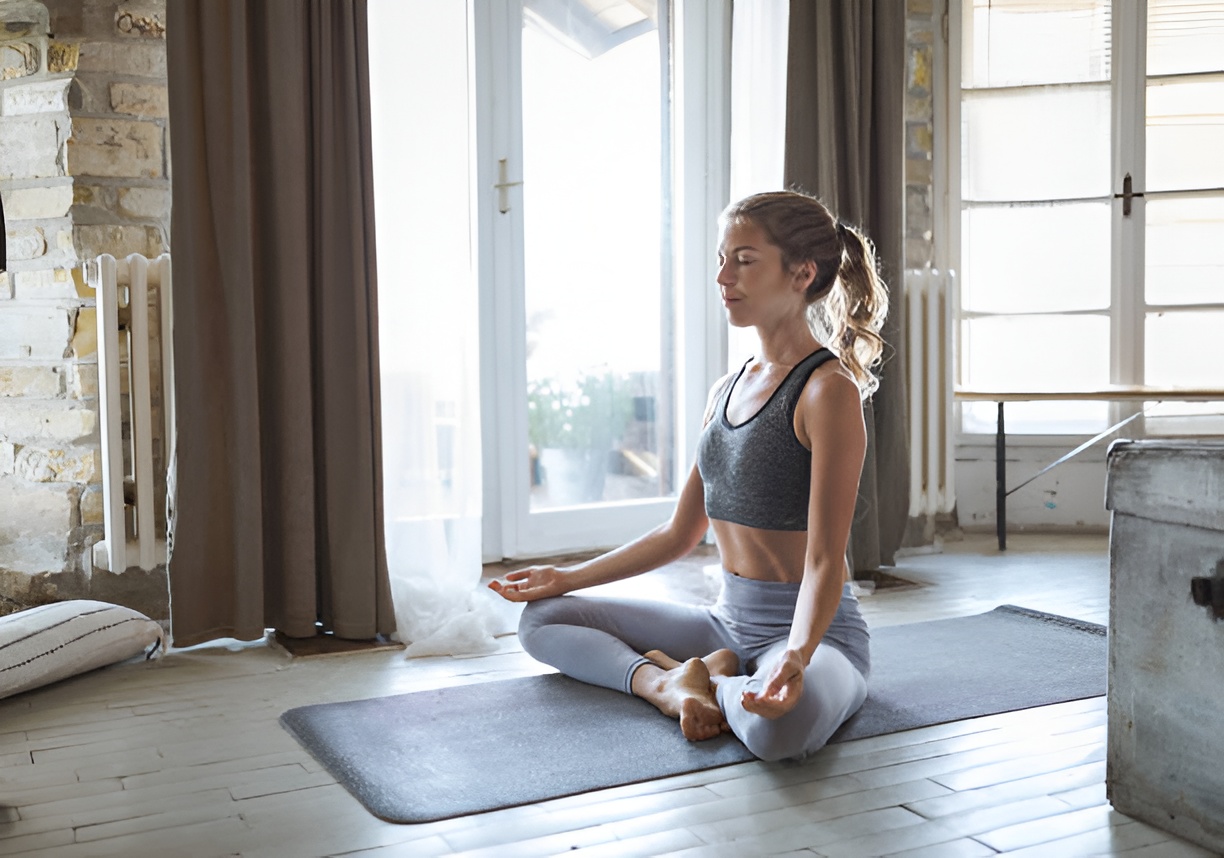
Mindfulness meditation is another powerful tool in stress relief techniques at home. It involves focusing on the present moment without judgment, which helps reduce overthinking and anxiety. Regular mindfulness practice improves emotional regulation, attention span, and overall mental well-being.
Even short sessions of 10–15 minutes per day can make a noticeable difference. Techniques such as guided meditation, body scanning, and mindful walking are excellent ways to cultivate mindfulness at home.
Benefits of Daily Meditation
Daily meditation enhances the brain’s ability to manage stress by reducing cortisol levels and increasing gray matter in areas related to emotional regulation. Over time, individuals experience improved mood, reduced anxiety, and better overall resilience against stress.
Physical Activity and Exercise
Exercise is a natural stress reliever that stimulates the release of endorphins, the body’s “feel-good” chemicals. Engaging in physical activity at home is a key stress relief technique for maintaining both physical and mental health.
Activities like yoga, pilates, stretching, and bodyweight exercises not only improve strength and flexibility but also reduce tension in muscles caused by stress. Even short 20–30 minute sessions can have a profound impact on mood and energy levels.
Incorporating Exercise into Daily Life
Consistency is crucial. Setting aside a specific time each day for movement, whether in the morning or evening, helps create a routine that reinforces stress management. Combining exercise with deep breathing or mindfulness amplifies the calming effects.
Aromatherapy and Home Environment
The environment plays a significant role in stress management. Simple adjustments at home can enhance relaxation and calmness. Aromatherapy, using essential oils such as lavender, chamomile, or eucalyptus, is one of the easiest stress relief techniques at home.
Lighting, clutter, and noise levels also affect stress. Maintaining a clean, organized, and well-lit space with soothing colors can improve mood and reduce anxiety. Small changes, such as playing calming music or adding plants, further contribute to a stress-free environment.
Creating a Relaxing Home Space
Designate a quiet corner for relaxation and mindfulness. Adding soft lighting, comfortable seating, and natural elements creates a sanctuary where stress can be managed effectively. This dedicated space encourages regular practice of home-based stress relief techniques.
Journaling and Emotional Expression
Writing down thoughts and feelings is another effective stress relief technique at home. Journaling helps individuals process emotions, identify stress triggers, and gain clarity on challenging situations.
Daily journaling, even for 10–15 minutes, can reduce anxiety, enhance problem-solving skills, and improve self-awareness. Combining journaling with gratitude exercises strengthens mental resilience and fosters a positive outlook.
How to Start Journaling
Begin by noting down stressful experiences or feelings without judgment. Include positive experiences or things you are grateful for. Over time, journaling becomes a tool for reflection, emotional release, and stress management.
Healthy Lifestyle Habits
Sustainable stress management at home also involves adopting healthy lifestyle habits. Adequate sleep, balanced nutrition, and staying hydrated are fundamental to reducing stress levels. Limiting caffeine, alcohol, and screen time further supports mental clarity.
Consistency and Patience
Like any natural stress management approach, stress relief techniques at home require consistency. Regular practice builds resilience and ensures long-term benefits. Combining multiple techniques—such as meditation, exercise, and journaling—enhances effectiveness and creates a holistic approach to stress relief.
Conclusion
Stress is an inevitable part of life, but it can be managed effectively with the right strategies. Practicing stress relief techniques at home such as breathing exercises, mindfulness, physical activity, aromatherapy, journaling, and creating a calming environment empowers individuals to take control of their mental and physical health.
By incorporating these techniques into daily routines, men and women can reduce anxiety, improve focus, and achieve a more balanced, peaceful lifestyle. Consistency, patience, and a commitment to self-care are the keys to successfully managing stress at home.